


LearnSheet 5 of 6Reviewed 28 September 2026
Not a rite of Hajj. For many, the part they remember most fondly.
Rawdah permits, the adab of salam, what to see, and why people come home talking about Madinah rather than Makkah.
Madinah is not part of Hajj. No rite requires it, nothing is invalidated by skipping it, and it can be visited at any time of year.
And yet a striking number of pilgrims come home talking about Madinah rather than Makkah. Not because it is holier, but because it is where they had time to breathe.
Why it feels different
Makkah during Hajj is intense by design. Two million people, a fixed schedule, heat, and rites that must be performed correctly on specific days. It asks for everything you have.
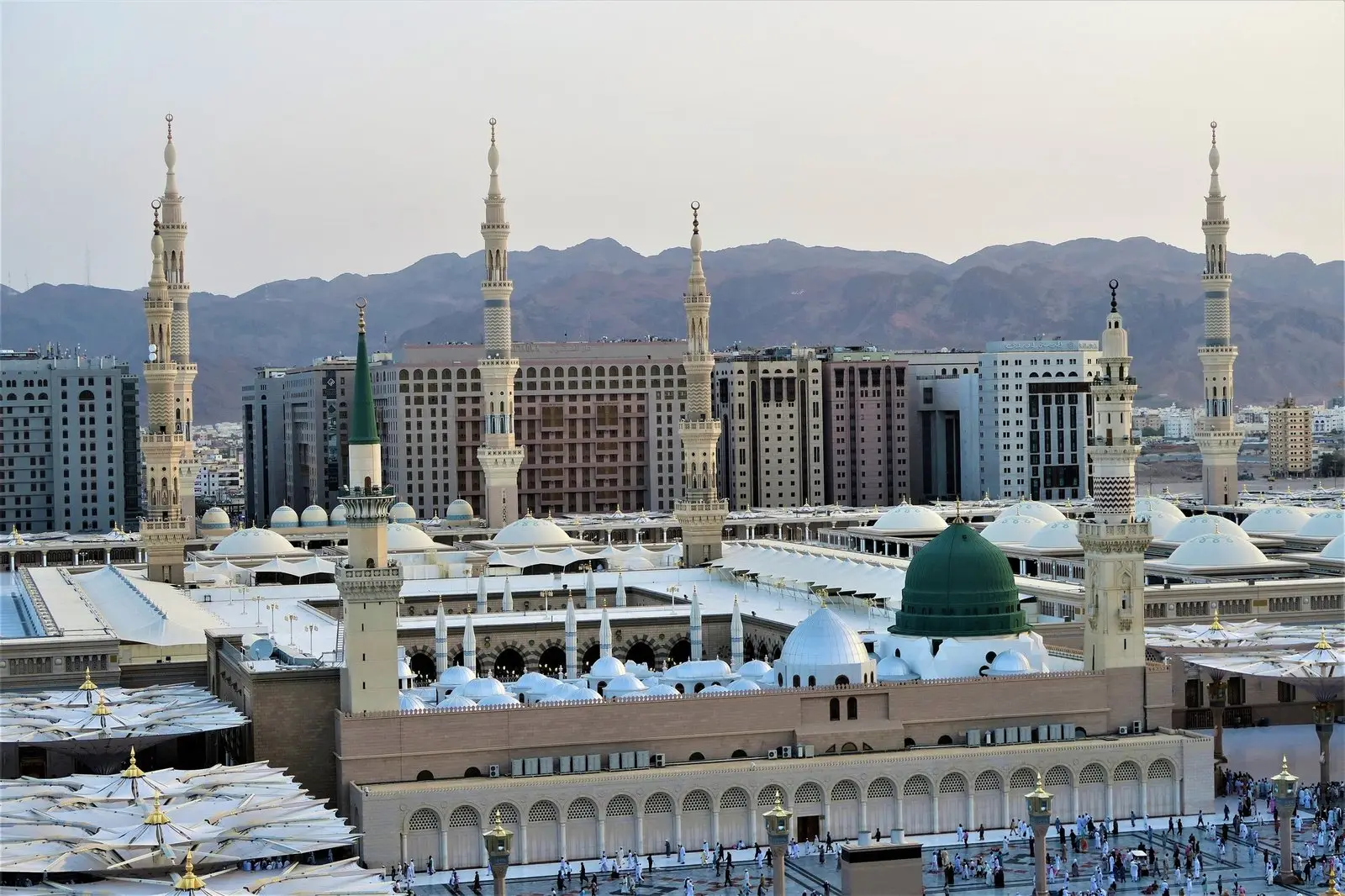
Madinah asks for nothing. It is calmer, cooler, slower. The Prophet’s Mosque is enormous and rarely feels as crowded as the area around the Ka’bah. People pray, sit, read, and are not rushing anywhere.
If your itinerary includes it, use the time on purpose, not only as rest days between flights.
Al-Masjid an-Nabawi
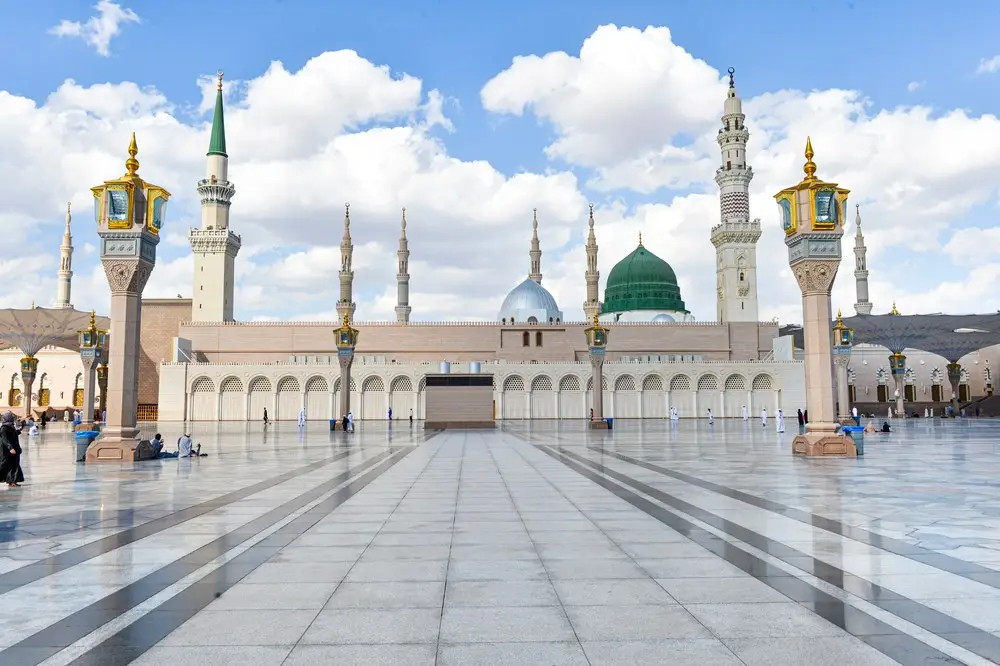
Prayer in the Prophet’s Mosque carries immense reward, and simply being there, with no schedule and no queue, is most of what people remember.
Learn the layout on your first visit: the gates, the women’s areas, the route from your hotel. It is very large, and it is easy to lose your way on the next visit.
The Rawdah
The Rawdah, the area between the Prophet’s ﷺ house and his minbar, requires a booked appointment, made through the Nusuk app.
Appointments are time-slotted and brief. Know your slot, arrive early, and go in knowing what you want to say — the same principle as Arafah, on a smaller scale.
Sending salam
The adab is simple and worth knowing before you are standing there:
Approach with calm and quiet. Send salam upon the Prophet ﷺ, and upon Abu Bakr and Umar رضي الله عنهما. Keep moving; there are people behind you, and the crowd management is there for a reason.
Du’a is made facing the qiblah, to Allah alone. This is the point where well-meaning advice on the internet varies most, so learn the adab from your teacher before you travel rather than improvising in the moment.
Other sites
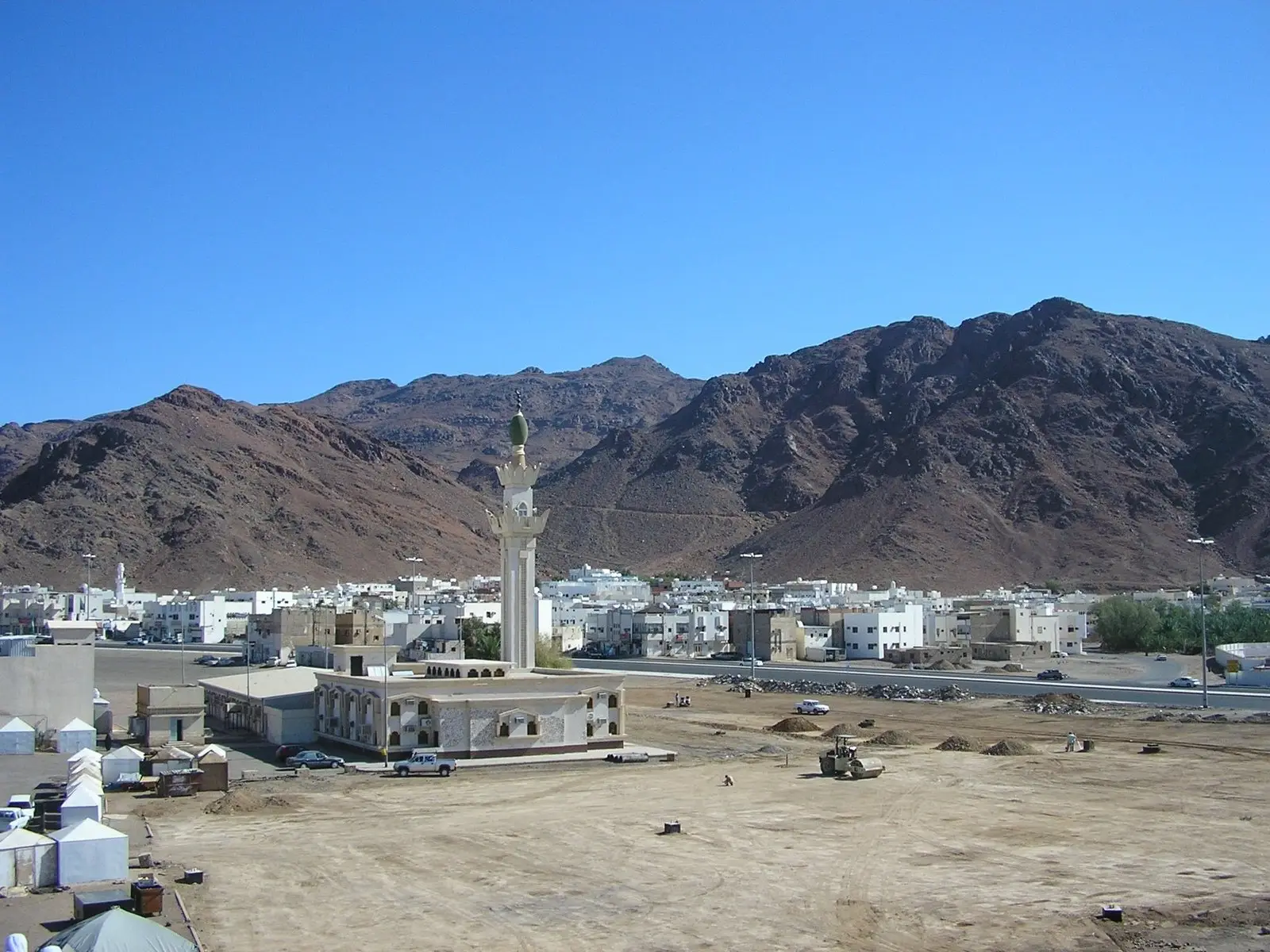
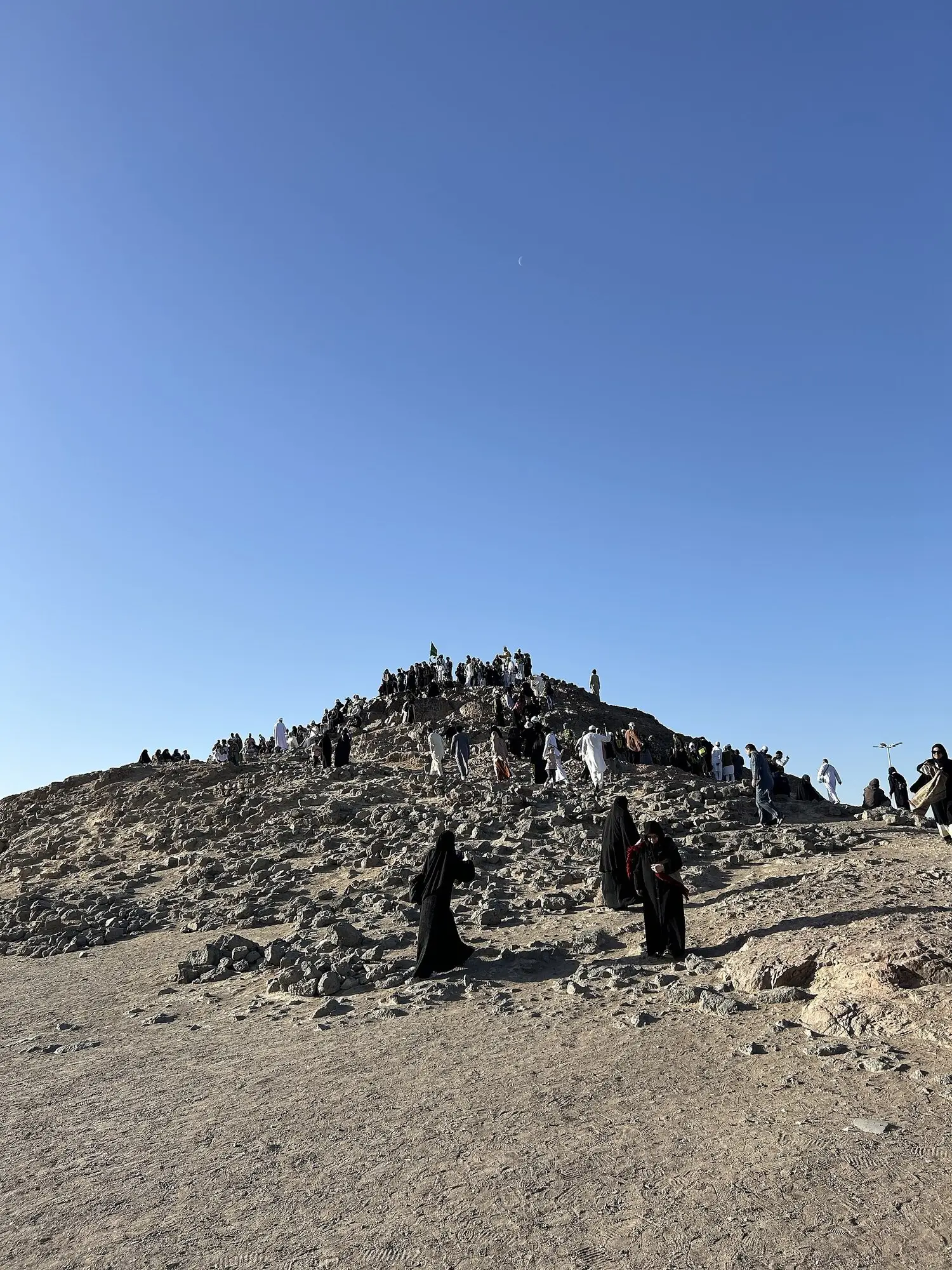
Quba Mosque, the first mosque built in Islam. Uhud, and the graves of the martyrs. The Qiblatayn Mosque. Baqi’ cemetery.
Visits to these are recommended by many, and none of them are rites. Go with your group where you can — the history is the point, and it means far more when someone can tell you what happened where you are standing.
Practicalities
- Madinah-first or Makkah-first changes your Ihram plan entirely. Madinah-first means entering Ihram later, at Dhul Hulayfah, usually with your group and with more time. See Ihram & the Miqat.
- The weather is often milder than Makkah, but it is still the Arabian summer.
- Distances inside the mosque are long. Any walking practice you have done before traveling will be useful here too.
- Dates and gifts are the standard thing to bring home, and Madinah is where most people buy them.